South Korea’s Incheon Airport Claims Top Spot Due to War in Middle East
South Korea’s Incheon International Airport has become the world’s busiest airport for international passenger traffic for the first time, according to preliminary figures from the...
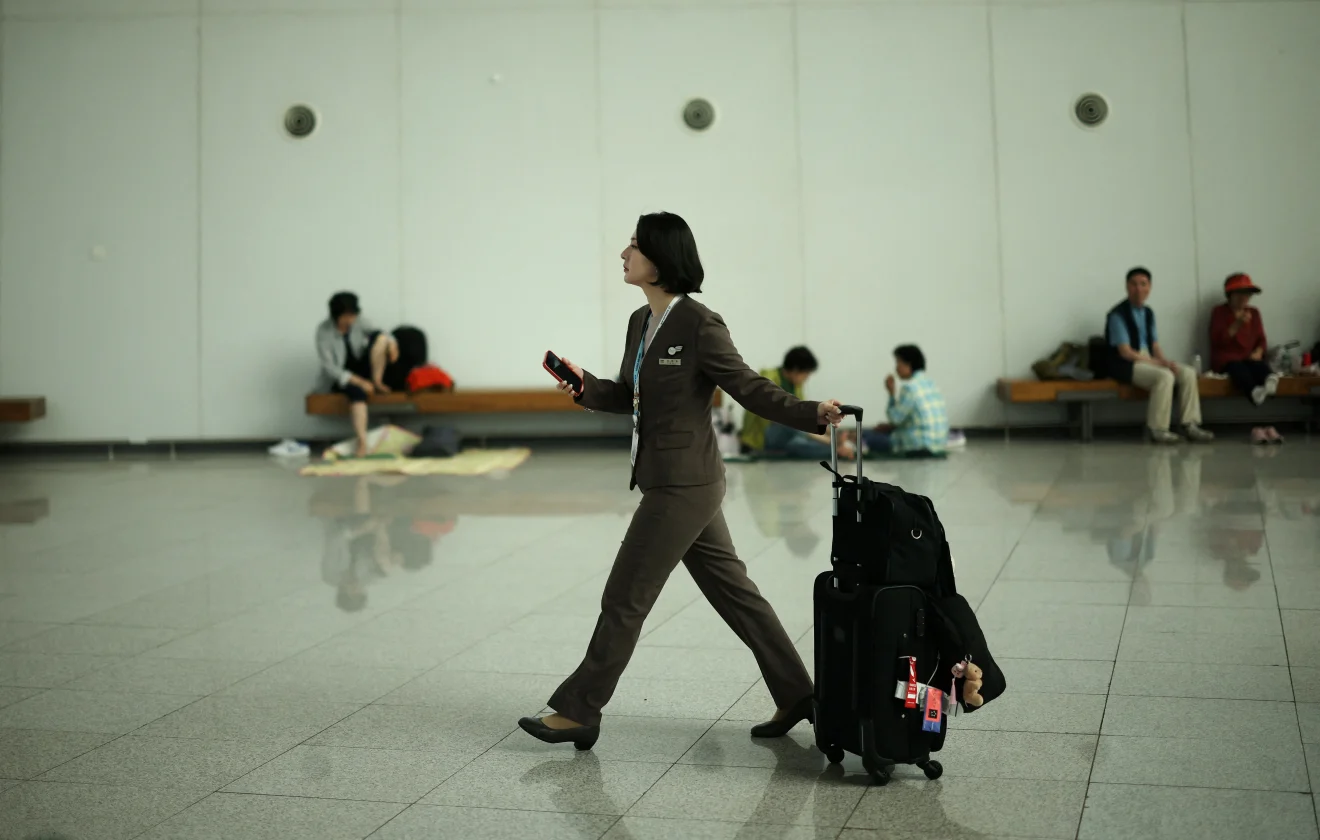
South Korea’s Incheon International Airport has become the world’s busiest airport for international passenger traffic for the first time, according to preliminary figures from the Airports Council International. The airport, the country’s main international gateway, handled 38.4 million international passengers in the first six months of this year, edging out London Heathrow, which recorded 37.79 million passengers over the same period. Singapore’s Changi Airport ranked third with 34.53 million passengers.
A Rapid Climb Up the Rankings
Incheon’s rise marks a dramatic shift from recent years: the airport ranked just 12th in 2024 and 13th in 2025 based on full-year figures. Heathrow, by comparison, ranked fifth in 2024 and seventh in 2025. Dubai International Airport, which held the number two spot in both of those years, is now expected to fall outside the global top five.
Middle East Conflict Reroutes Travelers
Incheon’s airport corporation attributed much of the shift to passengers diverting away from Middle East aviation hubs amid the ongoing conflict between the United States and Iran. According to the corporation, travelers who previously transited through Dubai en route to Europe have increasingly rerouted through Incheon instead, contributing to an 18 percent rise in transfer passengers compared with the same period last year. Transfer passengers with final destinations in Europe specifically rose 63.2 percent, reaching roughly 210,000.
Infrastructure Investment Also a Factor
Beyond the diversion effect, the airport corporation said recent infrastructure expansion has allowed Incheon to manage a significantly larger volume of traffic. The airport, which opened in 2001, now serves 158 international destinations — more than Hong Kong International Airport’s 139, Shanghai Pudong’s 92, or Tokyo Narita’s 86.
Airport Leadership Reacts
Kim Beom-ho, acting president of the Incheon airport corporation, credited government and public support alongside staff effort for the milestone. “We’re grateful for the [South Korean] government’s support, the public’s encouragement and the hard work of everyone stationed at the airport in making Incheon the world’s No. 1 airport,” Kim said. He added that the corporation intends to strengthen the airport’s competitive position going forward by prioritizing passenger convenience.