Liverpool Ownership Talks With Bezos Group Raise Fan Concerns
A consortium involving Amazon founder Jeff Bezos is in advanced negotiations to acquire a 30 percent stake in Liverpool Football Club, a deal that would...
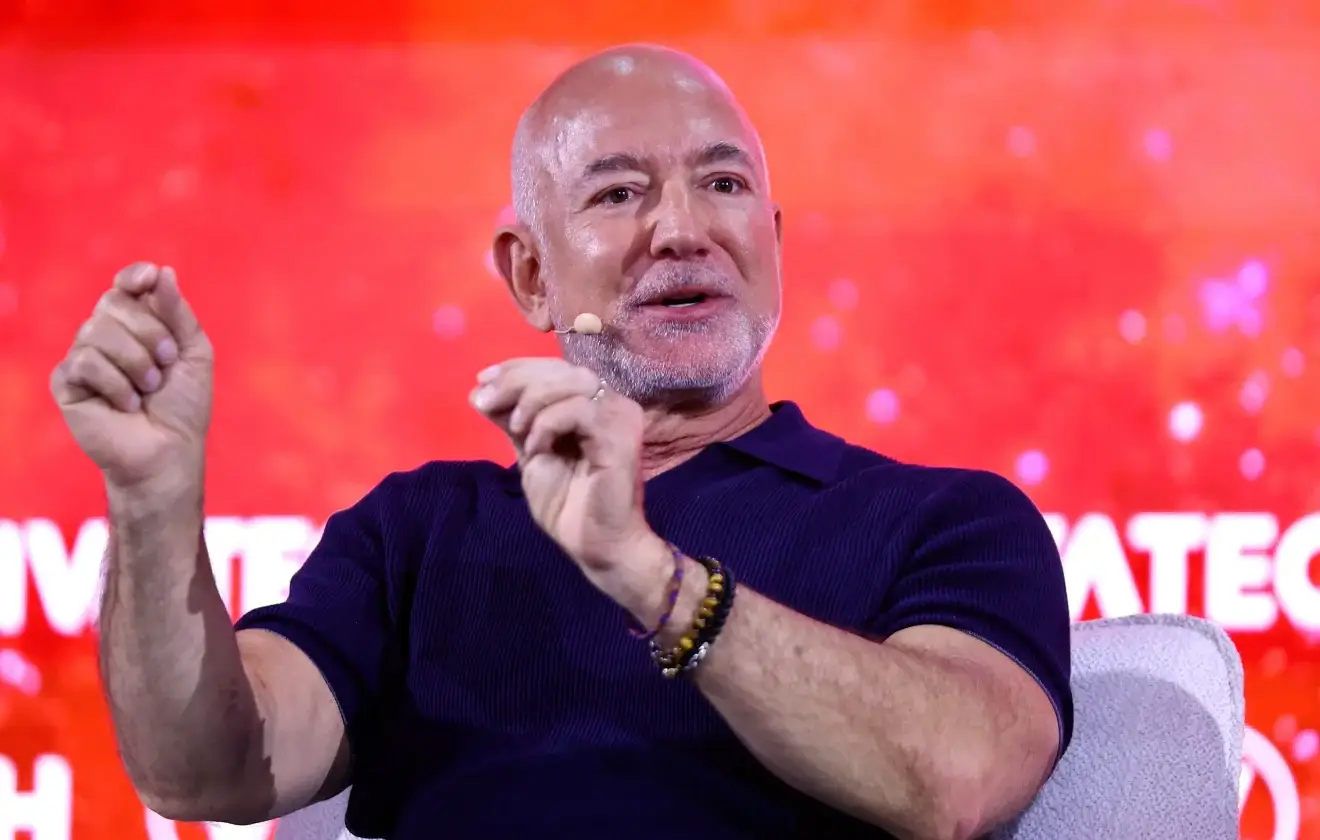
A consortium involving Amazon founder Jeff Bezos is in advanced negotiations to acquire a 30 percent stake in Liverpool Football Club, a deal that would value the Premier League club at roughly £4.5 billion, or about $5.7 billion. The prospect of one of the world’s wealthiest individuals joining the club’s ownership structure has drawn a wary response from Liverpool supporters still mindful of the club’s turbulent experience under previous owners Tom Hicks and George Gillett.
Bezos, whose personal fortune Forbes estimates at approximately $257 billion, would be investing a small fraction of his wealth even as the deal represents a substantial windfall for current owner Fenway Sports Group. FSG purchased Liverpool for £300 million in 2010, at a time when the club was, in the words of chief executive Billy Hogan, “literally on the brink of bankruptcy.” Including roughly £218 million in intra-group loans the ownership group has since provided, FSG’s total investment in the club comes to approximately £518 million. A 30 percent sale at the reported valuation would net FSG about £1.4 billion — nearly three times its total outlay, and a sign of how dramatically the club’s value has grown under its stewardship.
A Deal That Favors the Seller
Football finance analyst Kieran Maguire described the arrangement as highly advantageous for FSG. “It’s a great deal for FSG,” Maguire told BBC Sport. “They generate more than £1bn from the deal and still keep control – this represents the best of both worlds.” He noted the move follows a pattern used elsewhere in football ownership, comparing it to the approach taken by Manchester City’s ownership group. “This follows the approach of City Football Group of letting in minority investors to recoup the original purchase price and more,” Maguire said.
This would not be the first time FSG has brought in outside capital. Sports investment firm Dynasty Equity acquired a 3 percent stake in the club in 2023 for an undisclosed sum.
Despite the scale of the potential investment, Maguire cautioned that fans should not expect a significant increase in transfer spending as a result. Under the Premier League’s Squad Cost Ratio rules, a club’s spending capacity is tied to its commercial revenue rather than an owner’s personal wealth. Maguire also noted that, depending on how the transaction is structured, the club itself might see no direct financial impact at all. “The deal could be a straight share sale by FSG to the new group, in which case there would be no financial implications for the club itself,” he said.
Liverpool’s rising valuation reflects both off-field investment — including a new training ground and stadium redevelopment — and significant success on the pitch, including the end of a 30-year league title drought in the 2019-20 season, a further Premier League title in 2024-25, and a sixth Champions League triumph in 2019.
Bezos’s Broader Business Interests
Bezos stepped down as Amazon’s chief executive five years ago but remains among its largest shareholders. He also owns aerospace company Blue Origin, venture capital firm Nash Holdings and The Washington Post, and recently launched an artificial intelligence company, Prometheus, which invested £330 million in a British AI startup last month. Underscoring the scale of his resources, Bezos filed just last week to sell 15 million of his remaining Amazon shares, worth an estimated £3.1 billion — more than double the reported value of the Liverpool stake under discussion.
Although Bezos has previously been linked to American sports franchises, including reported interest in the Seattle Seahawks, which sold for £7.3 billion, and the Washington Commanders, sold for £4.6 billion in 2023, a Liverpool deal would mark his first confirmed investment in professional sport. Liverpool’s global reach may be part of the appeal: research firm GWI has found the club has 26 million supporters in the United States, the fastest-growing fan base of any English club, a factor that helped prompt Liverpool’s recent preseason tour there.
The move would extend a broader trend of American ownership in English football. Eleven of the Premier League’s 20 clubs this season, including Liverpool, have majority American ownership, alongside high-profile investments such as Ryan Reynolds and Rob McElhenney at Wrexham and Tom Brady’s stake in Birmingham City.
Who Else Is Involved
The consortium also includes Facebook co-founder Eduardo Saverin, reported to be worth $32 billion, and businessman Amit Bhatia, who stepped down as a director and co-owner of Queens Park Rangers on July 21 after 18 years with the Championship club. Because Football Association rules prohibit holding a substantial interest in more than one club, the timing of Bhatia’s exit from QPR has been read as confirmation of his involvement in the Liverpool bid.
While Hogan has indicated FSG has no current plans for a full sale of the club, Maguire suggested that could change depending on how the initial investment is received. “If Bezos et al like the kudos and attention that part-owning as big a brand as Liverpool brings,” Maguire said, “then a full acquisition becomes a possibility, if the price is right.”
Fans Voice Caution
Liverpool’s fanbase has a history of pushing back against ownership decisions it views as inconsistent with the club’s identity. When FSG attempted to raise season ticket prices last season, supporters’ group Spirit of Shankly organized a campaign encouraging fans to spend money at local businesses near Anfield rather than inside the stadium, pressuring the club into scaling back the planned increase.
The group has raised similar questions about the proposed Bezos-led investment. “We would like to know what the buying consortium will get in return for their 30% stake,” a Spirit of Shankly spokesperson told BBC Sport. “Specifically, what would be the level of involvement in the control of the club and will they take a seat or seats on the board? And of huge importance, what due diligence is being done on the potential consortium of investors? Does this potential consortium have the best interests of the club at the forefront or is it a ‘trophy’ buy?”
Some of that unease stems from scrutiny of Amazon’s labor practices. A 2020 report from the Trades Union Congress described “long, gruelling shifts with unreasonable productivity targets and unfair shift patterns” at Amazon facilities, and in 2024, more than 200 workers at an Amazon site in Birmingham took part in a two-day strike over pay and union recognition; Amazon has said it regularly reviews compensation to remain competitive. Separately, The Washington Post, another Bezos-owned business, announced in February that it would cut a third of its workforce, significantly reducing its sports and foreign news coverage.
Gareth Roberts, a Liverpool season ticket holder and host of the Late Challenge LFC podcast, said Amazon’s labor record was a factor in his own reservations. “How Amazon have treated unions and workers isn’t particularly palatable,” Roberts told BBC Sport. “Is he simply going to ramp up the name of Liverpool in order to make as much money as possible?”
Roberts linked that caution directly to the club’s history under Hicks and Gillett, whose ownership left Liverpool in financial disarray before FSG’s takeover. “People wonder why Liverpool fans do scrutinise things like this so much,” he said. “We only have to wind back to the ownership of Hicks and Gillett to see why. They put Liverpool in dire straits, in a financially unsustainable position. We want the club to be run well, we want the club to be run sustainably and we want people to care about it and to care about the fans. It’s as simple as that.”
What the Deal Would — and Wouldn’t — Change
Hogan has described the current moment as one of continued opportunity, saying there remains “a huge opportunity still” to invest in what he called “the biggest and most popular sport in the world” — a sentiment that reflects the broader appeal driving continued American investment into English football, built on prestige and international growth potential rather than short-term returns.
For now, the proposed transaction would bring Liverpool a set of extraordinarily wealthy new co-owners without materially changing the club’s transfer spending power under existing financial rules. Whether it proves a turning point in the club’s ownership structure, or simply a passive minority investment, remains to be seen — and depends heavily on questions supporters say have yet to be answered.